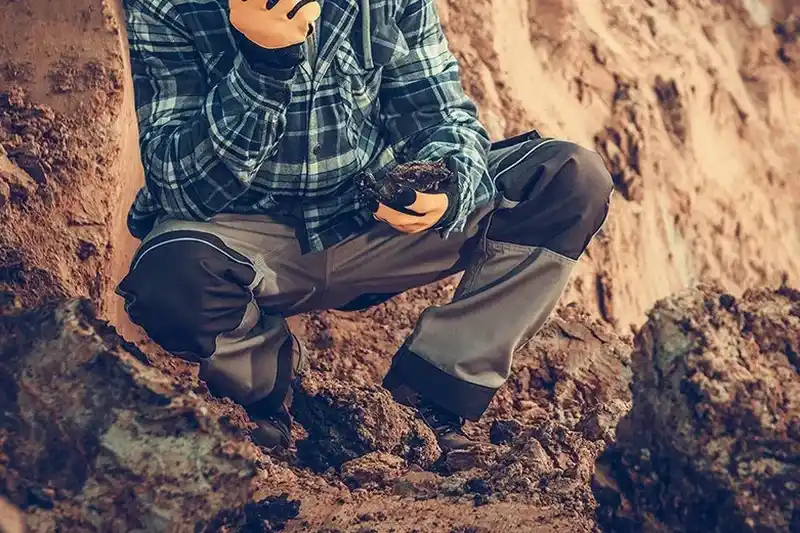
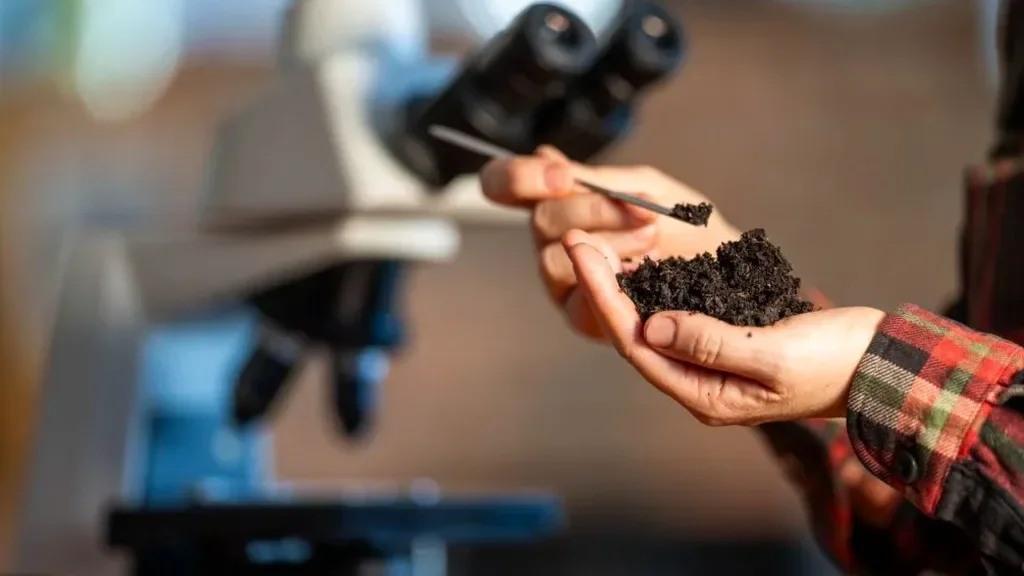
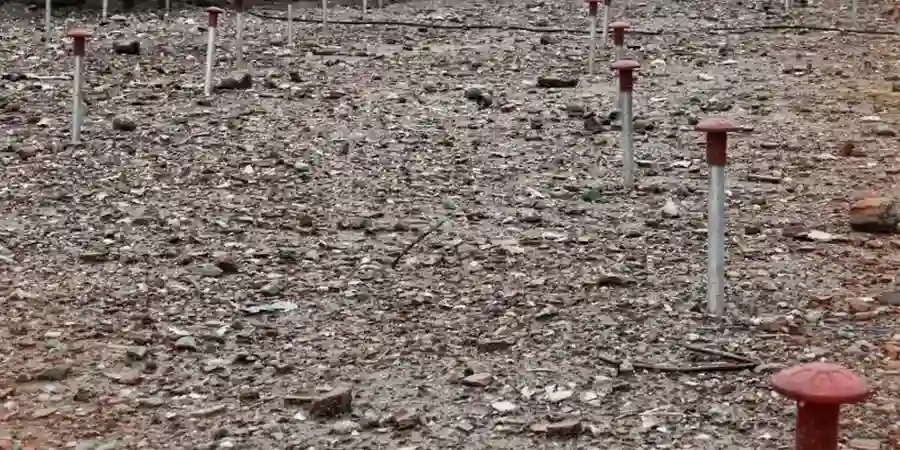
In Orange California, the design of a retaining wall often starts at the back of a pickup truck, with the team unloading a portable drill rig and sampling tools right on site. The alluvial soils typical of the Orange County basin — silty sands interbedded with clay layers — demand careful classification before any structural calculations begin. We auger through the upper fill, log the soil types as they change with depth, and collect disturbed and undisturbed samples for lab testing. Before the wall itself is designed, we run a consolidation test on clay layers to predict long-term settlement behind the wall, and we check the suelos expansivos potential of near-surface clays that could push against the stem over time. That field data becomes the backbone of the numerical model.
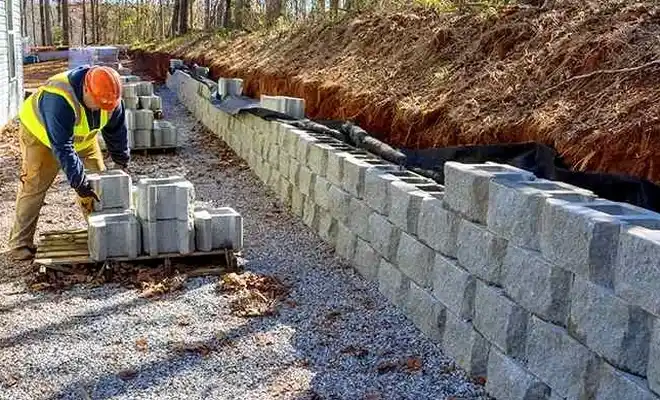
The friction angle of Orange County alluvial sands rarely exceeds 34 degrees; designing walls with higher values risks long-term displacement that no contractor wants to explain to an owner.