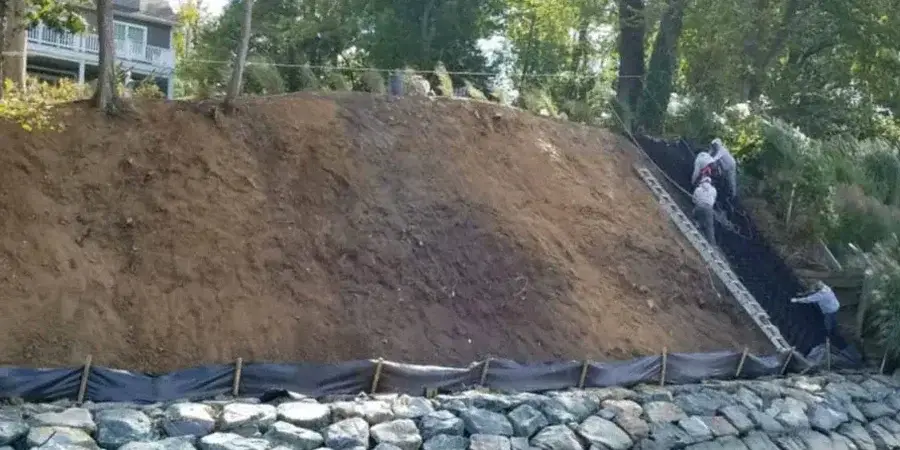
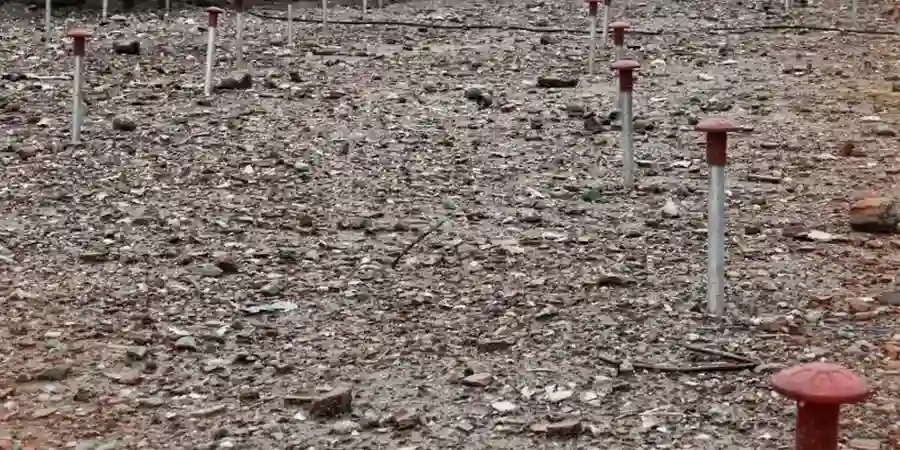
A common mistake we see among contractors in Orange, California is assuming that a Proctor curve alone guarantees compaction. The compaction specification might be 95% of the maximum dry density, but without verifying in-place density during earthwork, you have no real idea whether the lifts are achieving that target. The sand cone method is the most straightforward field test for this purpose. It gives you a direct measurement of in-situ density and moisture content, so you can adjust compaction effort on the spot. When we work on projects here, we always recommend pairing the sand cone test with a soil classification beforehand, so the compaction target aligns with the actual soil type being placed.
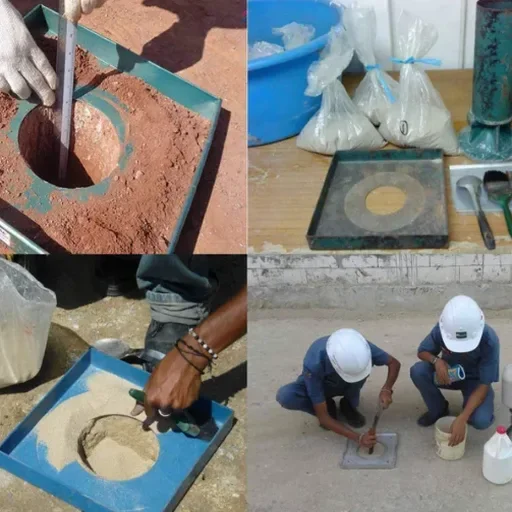
Without field density verification, a Proctor curve is just a number on paper — the sand cone test closes the loop between lab and field.